
“`html
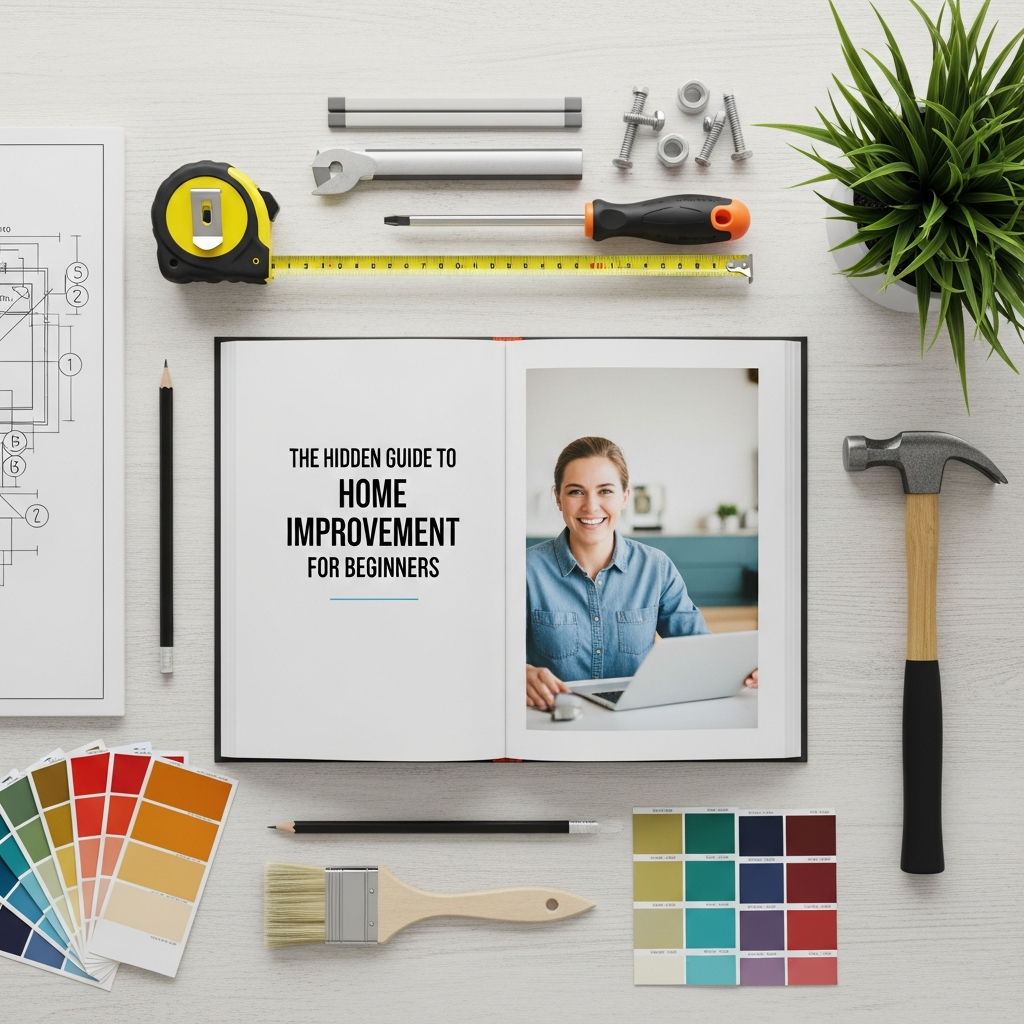
The Hidden Guide to Home Improvement for Beginners: Transform Your Space Like a Pro
Stepping into the world of home improvement can feel like walking into a labyrinth. For many beginners, the dream of a Pinterest-perfect home is often overshadowed by the fear of making a costly mistake or getting stuck halfway through a demolition. However, the secret to successful DIY isn’t just about having the right power tools; it’s about understanding the “hidden” logic behind renovation and maintenance.
This guide isn’t your standard “how to paint a wall” tutorial. Instead, we are diving into the foundational strategies, psychological shifts, and high-impact secrets that professional contractors use to save time and money. Whether you are a new homeowner or a renter looking to personalize your space, this hidden guide will provide the roadmap you need to navigate home improvement with confidence.
1. The Psychology of the “Mini-Win”
One of the biggest reasons beginners abandon home improvement projects is “Scope Creep”—the tendency for a small project to balloon into an overwhelming overhaul. To combat this, the pros use the psychology of the mini-win. Instead of deciding to “renovate the kitchen,” start by replacing the cabinet hardware.
- Focus on high-visibility, low-effort tasks: Changing a light fixture or adding a new backsplash can be done in a weekend and provides immediate gratification.
- Build your confidence: Every completed task builds “DIY muscle memory,” making the next, larger project feel less daunting.
- Set a “Done” Date: Never start a project without a firm deadline, even if it’s just a Saturday afternoon.
2. The Golden Rule of Budgeting: The 20% Buffer
Ask any seasoned renovator about their biggest mistake, and they will likely mention money. In the world of home improvement, the “hidden” cost is almost always the one you didn’t see coming—like finding outdated wiring behind a wall or realizing your subfloor is rotted.
Expert SEO tip for budgeting: Always calculate your estimated costs and then add a 20% contingency fund. This “hidden” buffer ensures that if a pipe leaks or a tool breaks, your project doesn’t grind to a halt. If you don’t use it, you have a head start on your next project!
3. Essential Tools: Quality Over Quantity
Beginners often rush to the hardware store and buy a massive 200-piece tool kit. Most of those tools will sit in the garage gathering dust. Instead, focus on the “Essential Six” high-quality tools that every beginner should own:
- A Cordless Drill/Driver: Spend the extra money here. A brushless motor will last longer and handle more stress.
- A Multi-Bit Screwdriver: For quick fixes around the house.
- A Level: Because nothing ruins a room faster than a crooked shelf.
- A Stud Finder: This is the most underrated tool for safety and structural integrity.
- A Utility Knife: From opening boxes to trimming wallpaper.
- A 25-foot Tape Measure: Accuracy is the difference between “fits perfectly” and “back to the store.”
4. The Hidden Impact of Lighting and Hardware
If you want to make your home look like it was designed by an architect without spending thousands, focus on the “jewelry” of the home: lighting and hardware. This is a hidden secret that many beginners overlook in favor of big-ticket items like new flooring.
Replacing basic “boob lights” (flush mount fixtures) with modern pendants or chic recessed lighting can change the entire mood of a room. Similarly, swapping out builder-grade door handles and kitchen knobs for matte black or brushed gold alternatives provides an instant, high-end facelift. It is one of the highest ROI (Return on Investment) activities you can perform.
5. Master the Art of Caulking
If there is one “hidden” skill that separates a messy amateur job from a professional finish, it’s caulking. A clean bead of caulk around baseboards, windows, and sinks hides imperfections and creates a seamless look. It also prevents moisture damage, which is the silent killer of home equity.
How to Caulk Like a Pro:
- Clean the surface thoroughly before applying.
- Cut the nozzle at a 45-degree angle.
- Use a “dripless” caulk gun for better control.
- Keep a damp rag and a bowl of water nearby to smooth the bead with your finger.
6. Infrastructure Before Aesthetics
It is tempting to spend your budget on pretty wallpaper or a luxury sofa, but the hidden guide to home improvement dictates that you must address “the bones” first. There is no point in painting a room if the roof is leaking or the windows are drafty. Priorities should always follow this order:
- Safety: Smoke detectors, carbon monoxide monitors, and secure railings.
- Envelope: Keeping water and wind out (roof, gutters, windows).
- Systems: HVAC, plumbing, and electrical.
- Aesthetics: Paint, flooring, and decor.
7. Knowing When to Call a Professional
The bravest thing a DIY beginner can do is admit when they are out of their league. While YouTube is a fantastic resource, certain tasks carry high risks for your safety and your home’s insurance policy. As a general rule, call a licensed professional for:
- Main Electrical Panels: Anything involving the breaker box.
- Structural Walls: Removing a “load-bearing” wall without a structural engineer can cause your house to collapse.
- Gas Lines: Never attempt to move or repair gas lines yourself.
- Complex Plumbing: Small leaks are fine, but re-routing main sewer lines requires specialized knowledge.
8. The Power of “Small-Batch” Renovations
Instead of gutting a room, try the “small-batch” approach. This means improving one aspect of a room every few months. In month one, you might update the light switches to smart dimmers. In month three, you might add crown molding. This approach is easier on your wallet and your stress levels, preventing “renovation burnout.”
9. Curating Your Digital Toolbox
In the digital age, your most important tool is your smartphone. Beyond watching tutorials, use apps for augmented reality (AR) to see how furniture fits in a room before you buy it. Use “Color Match” apps to find the exact paint shade from a photo. The hidden guide to modern home improvement is as much about software as it is about hardware.
Conclusion: Your Home is a Journey, Not a Destination
Home improvement for beginners is not about achieving perfection on the first try; it’s about the incremental improvement of your environment and your skills. By focusing on the hidden details—planning for contingencies, mastering the basics like caulking, and prioritizing infrastructure—you move from being a frustrated amateur to a capable homeowner.
Remember, every expert was once a beginner who wasn’t afraid to pick up a hammer. Start small, stay curious, and don’t forget that 20% buffer. Your dream home is closer than you think, one mini-win at a time.
“`