
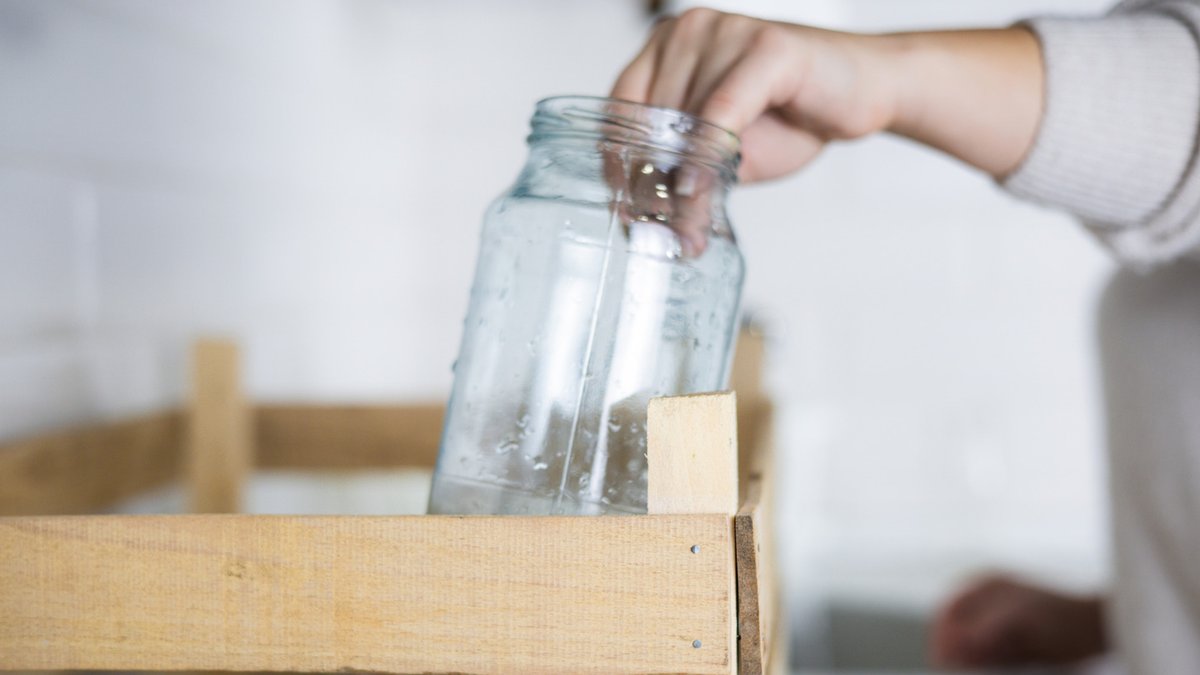
DIY stained-glass lanterns provide a cost-effective alternative to traditional stained-glass lighting, delivering a similar warm, colorful effect without the expense. Authentic lanterns frequently exceed $100, but repurposing old jars with accessible materials achieves comparable results at a lower price. This craft turns discarded glass into a functional light source while encouraging creative reuse.
The materials needed are straightforward: a glass jar large enough to accommodate string lights, such as the EXF 4-Pack Fairy Lights, colorful tissue paper, adhesive like Mod Podge, black paint, a small paintbrush, and string for suspension. The assembly starts by applying glue to the jar’s exterior, then pressing tissue paper squares onto the surface in overlapping layers. An additional glue coat ensures the paper stays in place once dry.
Design comes next. A marker traces a stained-glass pattern onto the jar, which is then filled with black paint to create crisp, defined lines. For hanging, string is tied around the jar’s rim. After inserting the fairy lights, the finished lantern emits a soft, layered glow reminiscent of traditional stained glass. Variations include sketching designs directly onto the jar before applying tissue paper or using liquid leading to frame the patterns.
Tissue paper, however, has practical drawbacks. When exposed to moisture, it peels away, limiting outdoor use to dry conditions. This restriction keeps the project simple but confines it to indoor settings. User feedback on the original post shows its appeal, with one Instagram contributor describing it as “so creative and very pretty.” The craft also serves as an engaging activity for children, merging artistic expression with functional lighting.
For greater durability in outdoor settings, mosaic tiles can substitute for tissue paper. Transparent tiles allow light to pass through while adding a textured, stained-glass appearance. Sealing the jar with a lid protects the lights from weather damage. Additional customizations include using glass paint or omitting outlines entirely for a scattered, confetti-inspired effect. Each method preserves the lantern’s primary purpose: diffusing light into a gentle, decorative illumination.
This project’s versatility makes it a standout. Whether placed indoors or outdoors, the lantern functions as both decorative piece and light source, demonstrating that repurposed materials can achieve premium visual results without high costs. The only essentials are imagination and a handful of basic supplies.


