
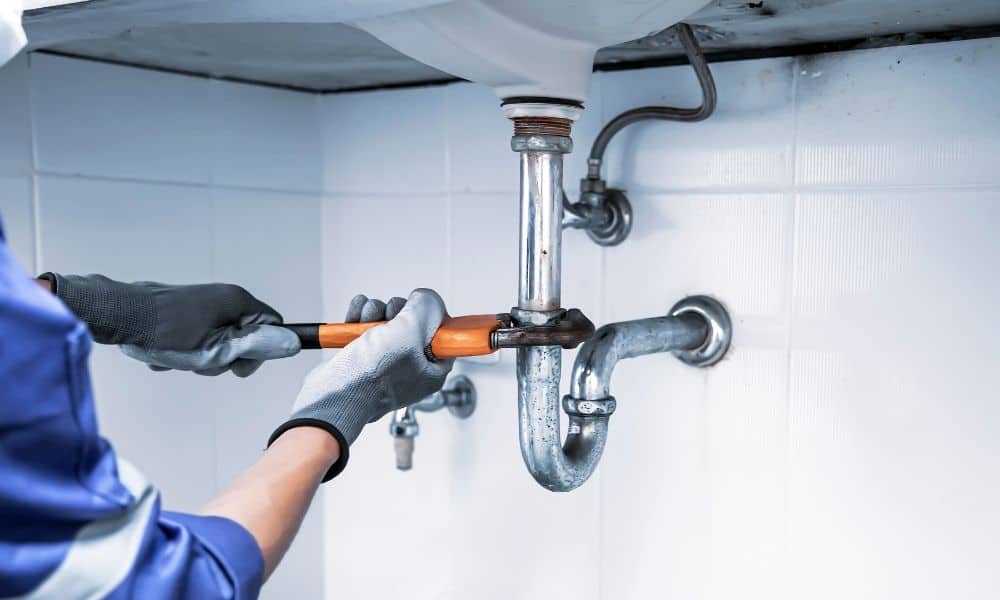
Managing the infrastructure of a commercial property in a mountain-adjacent climate requires a focus on long-term prevention rather than reactive repairs. Property owners and facility managers in this region often encounter specific challenges related to the local landscape, such as soil shifting, aging pipe materials, and the constant strain of high-volume usage. When building maintenance plans, understanding the distinction between standard system care and complex structural remediation is the first step in protecting a building’s operational continuity.
Evaluating the necessity of professional system maintenance
The health of a plumbing system is typically invisible until a disruption occurs. However, waiting for an obvious failure before seeking professional assistance often leads to more extensive damage and higher operational costs. A proactive approach involves periodic assessments of the entire system, from high-traffic restrooms to the main drainage lines exiting the building.
For businesses in this area, regular inspections can reveal the early stages of common issues, such as internal pipe corrosion, scale buildup from local water characteristics, or minor joint separations. By identifying these signs early, property managers can plan for necessary upgrades during scheduled downtime, avoiding the financial strain and tenant disruption of an emergency shutdown. Relying on professional oversight ensures that maintenance routines are consistent with the specific demands of the facility.
Understanding the scope of common infrastructure interventions
When an issue is identified, the range of available interventions often varies based on the age and material of the plumbing infrastructure. Maintenance might range from high-pressure cleaning to specialized diagnostic procedures.
Approaches to managing drainage integrity
Diagnostic tools, such as specialized camera systems, have become standard for modern plumbing assessments. These allow professionals to view the interior of pipes to identify cracks, root intrusions, or blockages without the need for invasive surface excavation. If an obstruction is found, hydro-jetting is frequently used to clear debris and mineral deposits. This method uses pressurized water to restore pipe capacity safely.
For more significant issues, such as a compromised pipe, sewer line repair might involve various trenchless methods. These techniques are often preferred in commercial settings because they allow for the rehabilitation of underground pipes with minimal disruption to parking lots, landscaping, or building foundations. The suitability of these methods typically depends on the depth, length, and current state of the damaged line.
Factors that influence repair and maintenance strategies
Several considerations should guide a property owner’s decision when choosing between simple cleaning and more intensive repairs.
- Frequency of use: Facilities with high-volume usage, such as restaurants or large office complexes, experience significantly more wear on drainage components than lower-traffic properties.
- Pipe material and age: Older pipes may have reached a point where localized repairs are no longer efficient, and a broader replacement plan may be more cost-effective.
- Environmental factors: Local soil conditions and seasonal temperature fluctuations can impact the structural integrity of underground piping over time.
- Regulatory compliance: Commercial properties are often subject to specific local requirements regarding waste disposal and backflow prevention. Ensuring that all maintenance meets these standards is critical for ongoing operation.
Balancing these factors requires professional insight. A service provider can help weigh the immediate cost of a repair against the expected longevity of that fix, allowing property owners to make decisions that align with their long-term capital improvement plans.
Aligning maintenance choices with facility goals
Effective property management is rarely about finding the lowest-priced quick fix; it is about establishing a sustainable rhythm for facility care. For businesses operating in this region, the goal should be to minimize unexpected disruptions that impact daily revenue and tenant satisfaction.
When selecting a provider for commercial plumbing services in Denver, it is helpful to inquire about their experience with similar commercial properties and their familiarity with the regional infrastructure challenges. A reliable partner will be transparent about the condition of the system, offer clear explanations for why a particular maintenance or repair strategy is recommended, and provide documentation that aids in long-term asset tracking.
Establishing a consistent relationship with a professional team allows for a better understanding of a building’s unique plumbing history. This continuity leads to more accurate diagnostic work and more efficient repairs when unexpected issues arise. Whether addressing a recurring blockage or planning for a larger infrastructure overhaul, taking an informed, measured approach ensures the longevity and reliability of the building’s essential systems. By prioritizing regular assessment and working closely with experienced professionals, facility managers can mitigate risks and ensure their properties remain functional for years to come.


