
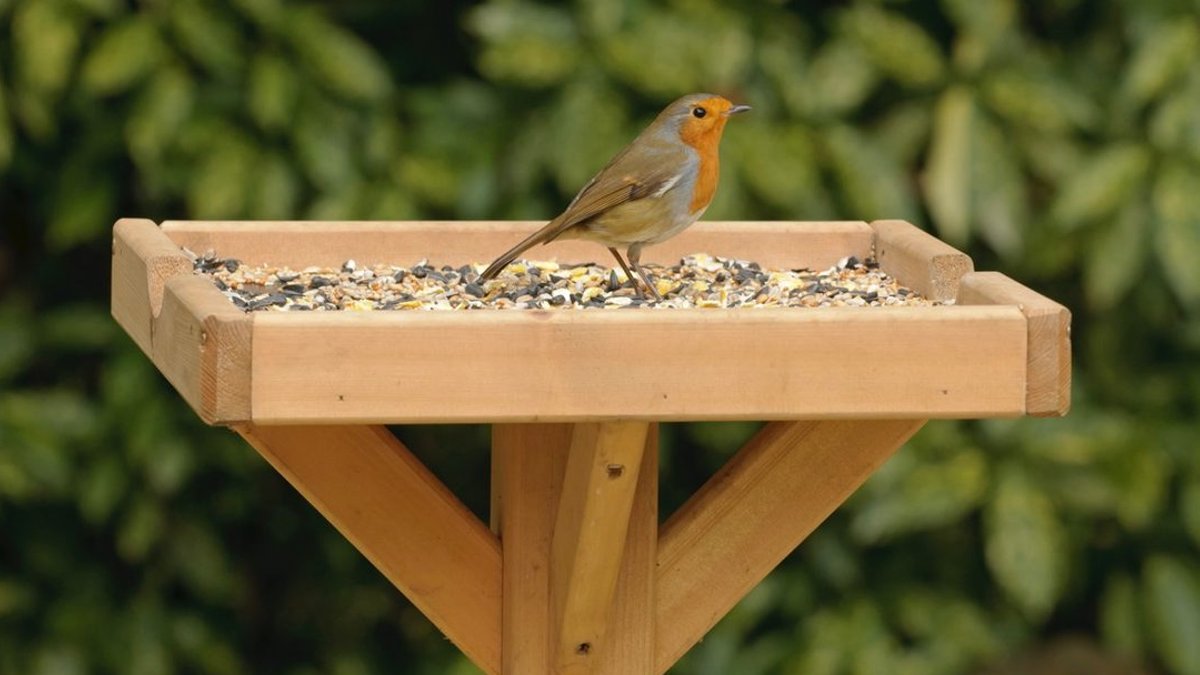
The RSPB has issued updated guidance for garden bird feeding, warning that traditional practices may be inadvertently spreading illness among wild populations. It recommends that residents clean and move bird feeders on a weekly basis to reduce the risk of pathogen transmission. These shifts come as the Royal Horticultural Society also changes its commercial offerings, citing concerns over avian health during warmer months.
The primary concern is trichomonosis, a disease that thrives when birds congregate at feeding stations during the summer. The RSPB advises that between 1 May and 31 October, bird lovers should avoid filling feeders with seeds and peanuts. Instead, the charity suggests offering small quantities of suet, fat balls, or mealworms.
The parasite Trichomonas Gallinae can survive in damp or warm food, which mimics the environment of a finch’s digestive tract.
Related: Giant death bloom smashes glasshouse roof
Greenfinch populations have seen a 67% decline since 1979, totaling a loss of more than two million birds. These birds are now included on the UK Red List. Researchers suggest that tube feeders and flat-surfaced tables facilitate the transfer of the parasite through saliva as birds feed.
Public awareness regarding these risks has grown, but the sudden shift in habits could cause unintended consequences. When major organizations update their recommendations, it forces a change in the established relationship between humans and local wildlife.
Experts suggest that the most effective way to help birds is by cultivating plants that provide natural food sources. The Royal Horticultural Society recommends planting species that attract insects, such as lavender, dog rose, and field scabious. These invertebrates serve as a primary food source for many species.
Related: French patisserie blends Milanese and Asian flavors
Other recommendations include:
- Allowing seed-rich flowers like sunflowers, teasels, and cornflowers to remain in the garden after flowering to provide winter food.
- Maintaining a mix of long and short grass to support different foraging styles.
- Planting berrying shrubs and trees, including hawthorn and elder.
Dick Woods of Finches Friend noted that while the new guidance is a positive step for public awareness, it remains a broad approach to a complex issue.
Beccy Speight, chief executive of the RSPB, emphasized that the goal is not to stop feeding altogether, but to ensure that the practice does not compromise the long-term health of garden birds.


