
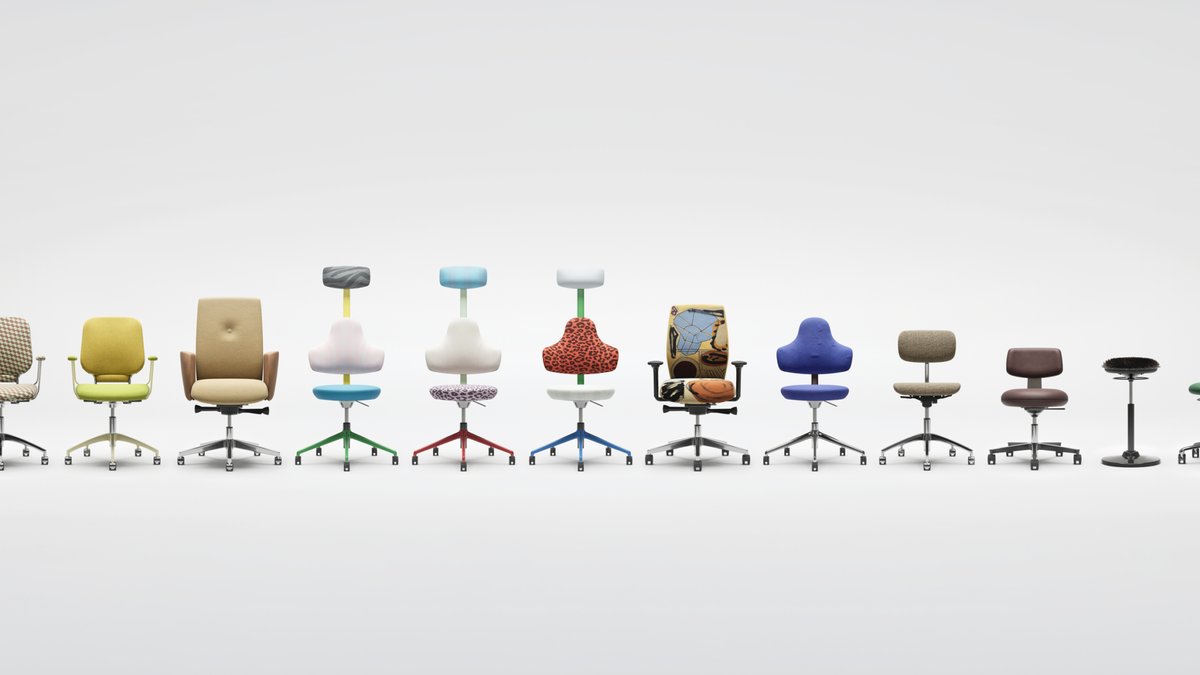
The office chair is one of the most used objects in modern life yet remains largely unnoticed. While a lounge chair might be photographed and displayed as a centerpiece, the chair people sit in for thousands of hours rarely receives the same recognition.
The invisible workhorse of design
A study by office furniture company Savo examined a decade of design weeks and five years of editorial coverage in major publications. The results showed office seating accounted for only 8.1% of exhibitor entries. Lounge chairs, in contrast, received more than twice the visibility.
When office chairs appeared in coverage, they were typically discussed in terms of function—ergonomics, productivity, and adjustability. That emphasis is justified. Lower back pain is the leading cause of disability in 160 countries, affecting 1.71 billion people worldwide with musculoskeletal conditions. The chair a person uses daily has real consequences.
But when function becomes the sole focus, the category loses its broader significance. The chair ceases to be seen as design and instead becomes mere equipment.
Related: Knoll debuts Konzert office system at Clerkenwell Design Week
The nature of work is evolving. Hybrid schedules have erased boundaries between home, office, and personal life. Employees now expect workspaces that feel personal and inspiring. Sustainability concerns are also growing—1.8 million office chairs are discarded in the UK annually, indicating many are treated as disposable items.
From equipment to identity
Design culture is moving toward spaces that feel authentic and expressive. Furniture is no longer just about utility; it reflects identity, taste, and values. Office seating should not be excluded from this shift.
The chair at a workplace is one of the most personal objects people own. It supports them through long hours, challenging discussions, and creative moments. For many, it is the piece of furniture they use most—more than their couch, bed, or dining table. Yet it remains relegated to the background.
The issue is not whether office chairs can be meaningful but why society has long acted as if they don’t need to be.


