
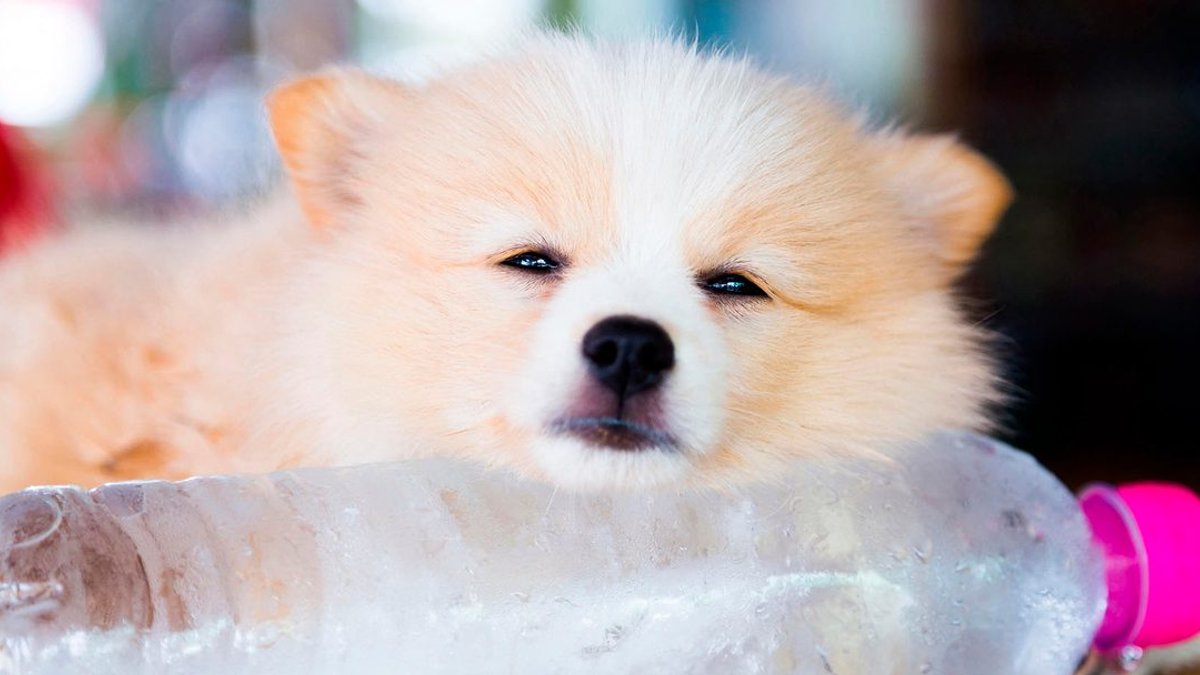
As heatwaves occur more frequently, pet owners must take additional precautions to shield their animals from dehydration, sunburn, and heatstroke. Pets that appear to enjoy the sun can overheat rapidly, exposing them to severe danger.
Keeping pets cool and hydrated
Animal welfare organizations advise keeping pets indoors during peak heat, usually from 10 a.m. to 3 p.m. When outdoor time is necessary, shade and fresh water should always be accessible.
Ice cubes in water bowls can help, though pets should never be forced to drink. Wide bowls positioned away from food and litter areas encourage natural hydration. Fans improve indoor airflow, but windows must remain secure to prevent accidents.
Cooling alternatives include a wrapped frozen water bottle near their sleeping area or allowing pets to lie on cool surfaces.
Related: Couple transforms rundown home into luxury retreat
Adjusting walks and exercising dogs safely
Animal welfare groups emphasize that skipping a walk is preferable to risking burned paws. If the ground feels too hot for the back of your hand after holding it there for several seconds, it is too hot for your dog’s paws. Walks should be scheduled for cooler hours, focusing on grassy, shaded paths.
In severe heat, avoiding walks altogether may be necessary. Indoor activities like puzzle feeders or training games can provide mental stimulation. Brief outdoor trips for bathroom breaks are sufficient—no extended exercise is needed.
The RSPCA continues to remind dog owners that dogs die in hot cars. If you see a dog in a hot car, call 999 immediately.
Sunburn and heatstroke dangers
Sunburn affects pets too, particularly those with light or thin fur around the ears and nose. Prolonged sun exposure raises the risk of skin cancer, making shade and limited direct sunlight essential. Pet-safe sunscreen (SPF 30 or higher) can protect vulnerable areas, but a veterinarian should be consulted first.
Heatstroke is a medical emergency. Symptoms include heavy panting, drooling, weakness, and skin that doesn’t bounce back when pinched. Flat-faced breeds, senior pets, and overweight animals face higher risks.
Related: Best value European destinations for UK pensioners
If heatstroke is suspected, cooling the pet before transport to a vet is vital. Move the animal to shade, offer water, and apply lukewarm water to lower their temperature. Healthy dogs can be immersed in cool water, while older or ill pets should be sprayed and fanned. Wet towels should be avoided, as they trap heat.
Cooling solutions without a hosepipe
During water restrictions, pet owners can use alternatives. The RSPCA recommends placing water bowls in multiple rooms and adding ice cubes to encourage drinking.
Frozen treats, such as mashed banana on a shallow tray or stuffed puzzle toys, provide hydration and engagement. Supervision prevents choking hazards. For outdoor shade, hanging sheets with a fan creates a breezy spot.
Cats may bask in the sun, but extreme heat affects them just as it does humans. Owners should monitor for distress and respond quickly if symptoms arise. Simple precautions can ensure pets stay safe during high temperatures.


