
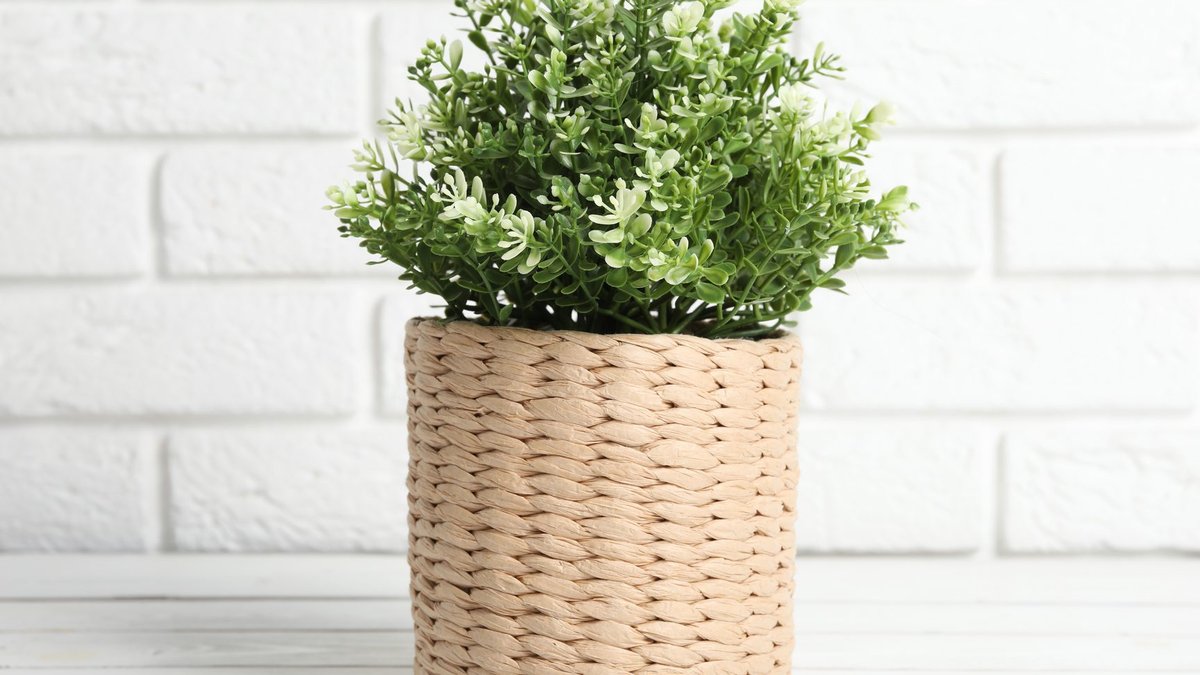
You’ve likely seen the cachepot method, where a plant’s plastic pot is dropped into a decorative basket, used to add a touch of style to a room. This technique, also known as “pot hiding,” has been used by professionals for years, allowing for easy plant swaps without repotting. However, most guides stop at the basics, failing to mention the potential issues that can arise.
The University of Illinois Extension provides direct guidance on the matter, warning that the plant inside the basket should never stand in water. If water collects in the bottom of the outer container, it’s essential to pull the inner pot out and drain it. This warning exists for a reason, and it’s essential to understand what’s happening beneath the surface.
What’s Happening Underneath
When you water your plant, the water runs through the soil, out the drainage holes in the plastic pot, and drips straight to the bottom of the basket. Since the basket has no drainage, the water sits there, creating a shallow puddle that’s hidden from view. The plastic pot then sits in this puddle, causing the roots at the bottom of the pot to soak in stagnant water.
The roots don’t die because they’re too wet; they die because they can’t breathe. Roots need oxygen from the air pockets in the soil, but waterlogged soil has no air pockets, causing the roots to suffocate. This issue can lead to fungus gnats, a stagnant smell, and root rot, ultimately resulting in the loss of the plant.
Read Also: Dubai property boom draws new players as investment surges
Gardening Know How explains that standing water inside a decorative outer pot can bring a range of problems, including fungus gnats and root rot. The plant may look fine on top for a while, but it will eventually collapse as the roots succumb to the lack of oxygen.
The damage isn’t limited to the plant; the basket itself is also at risk. Woven baskets are made from natural materials like rattan, seagrass, and bamboo, which soak up water like a sponge. When these fibers stay damp, they swell up, dry out, and crack, creating an ideal environment for mold and mildew to grow.
Even baskets with a built-in plastic liner can still be susceptible to mold, as humidity can become trapped between the plastic and the weave, condensing into a layer that promotes mildew growth. This can result in black specks or a faint green film on the inside of the basket, often hidden from view.
As the plant quietly suffers, the basket is also quietly rotting, all due to a missing step in the care process. The consequences of this oversight can be severe, but fortunately, there’s a simple fix that can prevent these issues from arising in the first place.
The fix involves using a waterproof barrier, such as a plastic liner or a clear plastic saucer, to separate the water from the basket’s weave. Raising the pot slightly above this liner, using a basic plastic plant saucer, can also help prevent water from collecting around the roots. By taking these simple steps, you can protect both your plant and your basket from the damaging effects of standing water.
Read Also: Abu Dhabi extends building certificate deadline
Watering the plant in the sink, rather than in the basket, is also essential. This allows the pot to drain fully, preventing water from collecting in the basket. The University of Illinois Extension and Gardening Know How recommend this approach, which can help prevent a range of problems before they start.
By following these simple steps, you can enjoy the benefits of the cachepot method while minimizing the risks. It’s a small change that can make a big difference in the health and longevity of your plants, and the durability of your decorative baskets. The University of Illinois Extension provides more information on container drainage options, which can help you make informed decisions about your plant care routine.
Implementing the Fix
Artera Home recommends trimming any extra liner to sit just below the rim of the basket, keeping it out of sight. The Plant Index suggests using a small saucer or a shallow layer of pebbles to raise the pot above the liner. This setup ensures the pot never stands in standing water, preventing root rot and other issues.
Emptying the liner once a week is also essential to prevent mold and mildew from growing. This can be done by lifting the pot out, tipping the basket over the sink, and wiping the liner dry with a paper towel. It’s a simple process that takes only a few minutes.


