
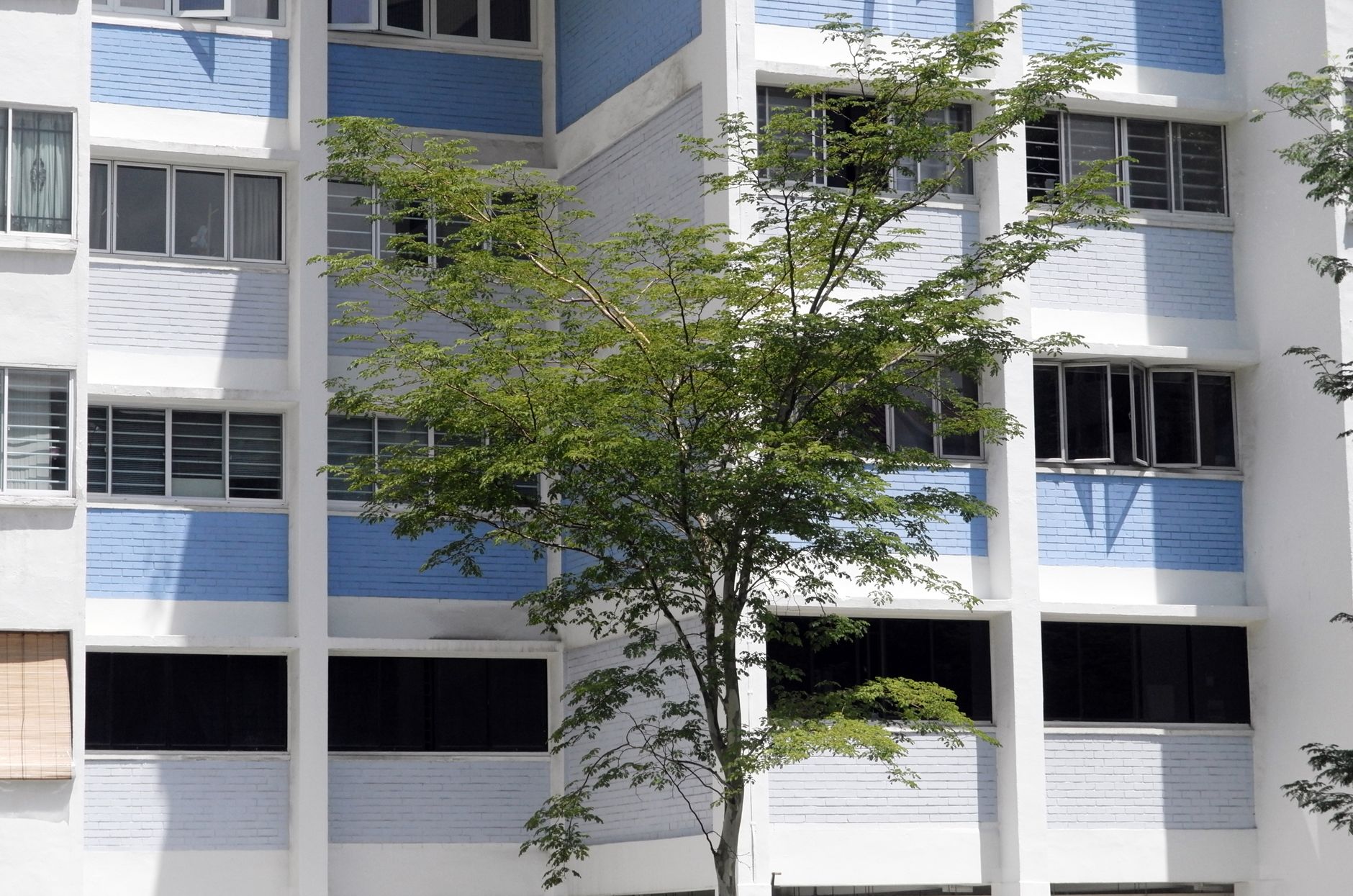
Singapore’s public housing system differs from most others worldwide. Over 80% of residents live in flats built by the Housing & Development Board, known as HDB. These government-built apartments include playgrounds, dog parks, hawker stalls, and supermarkets within walking distance.
The scale is significant: over 1 million HDB flats exist across the country. The estates remain clean, safe, and tightly regulated, a fact officials frequently cite when discussing the system’s success.
The origins of a national project
Before 1960, most Singaporeans lived in kampongs or informal settlements. After gaining independence from British rule in 1959 and becoming a republic in 1965, the government launched a public housing initiative. This effort became one of the first steps in transforming Singapore into the dense, orderly city it is today.
The HDB was created in 1960. By the end of that decade, it had constructed 54,000 flats and introduced homeownership schemes. The first HDB towns, Queenstown and Toa Payoh, were established during this period. The 1964 Home Ownership for the People Scheme allowed residents to purchase their flats instead of renting. In 1968, the Central Provident Fund, Singapore’s mandatory savings plan, could be used for down payments, expanding access to homeownership.
The 1970s introduced two key changes. In 1971, HDB owners gained the right to sell their flats on the open market, provided they had lived in them for at least three years. A separate program, the Housing and Urban Development Company, began offering larger, more private units in 1974. That initiative ended in 1982, and those properties were later integrated into the HDB system.
Related: Italian luxury unfolds at Flexform Singapore
From basic shelter to modern living
The 1990s marked a shift as HDB flats evolved beyond basic housing. The Home Improvement Programme allowed residents to upgrade their units with features like better flooring or kitchen fixtures. Ethnic quotas, introduced in 1989, promoted racial integration in HDB estates. By the decade’s end, low-income and larger families found it easier to qualify for flats.
The 2000s focused on refining processes and introducing new models. The Design, Build and Sell Scheme in 2005 permitted private developers to construct HDB flats, though the program was suspended in 2011. During the 2010s, construction surged, with the number of flats rising from 21,000 in 1960 to 1 million by 2010. New neighborhoods like Punggol and Tampines North emerged, and the 2-room Flexi scheme provided smaller, adaptable units for singles and seniors.
In 2024, new Build-To-Order projects were divided into three tiers: Standard, Plus, and Prime. Each tier offers different subsidies and restrictions. For the first time, singles could purchase 2-room Flexi flats anywhere in the country. These changes indicate a system still refining its approach as it marks 60 years of shaping how Singaporeans live.
Local furniture brands have also evolved alongside public housing, offering designs that complement modern HDB living spaces. One such brand recently celebrated its 40th anniversary, reflecting the broader transformation of Singaporean homes.


